
Loosening our grips on Italian American nostalgia
Erika Bernabei
It had been 25 years since I last visited my grandparents’ hometown of Secinaro, Italy. My drive through the winding, swooping, narrow mountain roads was stunning. I imagined my family traveling these mountains in horse and buggy to shop in a nearby city, and later, to immigrate to the United States. I pictured my grandfather’s multiple boat trips across the Atlantic for work, and his long journey home to marry my grandmother.
When I got out of our rental car to walk around the tiny village with my partner, my mood shifted. I felt antsy and anxious. After my own long journey to get there, I immediately wanted to leave. My body held a cognitive dissonance – that I was hungry for authentic ancestral connection and I was just another tourist. The 300-person village of Secinaro is a place where people live. This was their home, not mine.
Throughout my life, I have heard about white European-Americans’ profound homeland returns and I had experienced this phenomenon when I was 17 – when I stepped on the land I felt a powerful sense of understanding and connection. This round, at the age of 44, I had a fantasy of a mystic depth of knowing, but I left after twenty minutes feeling only embarrassed and confused.
How did I end up there? What accounted for this change in me?
At the urging of my enthusiastic mother, who is a social worker, I found myself at an Undoing Racism workshop with the People’s Institute for Survival and Beyond in my early twenties. Throughout the workshop, the trainers challenged white participants to consider our relationship to our whiteness and the privileges that come with it. This was not always easy for us. The acknowledgment of our unearned advantages as white people came with a deepening question: What does it mean to be white?
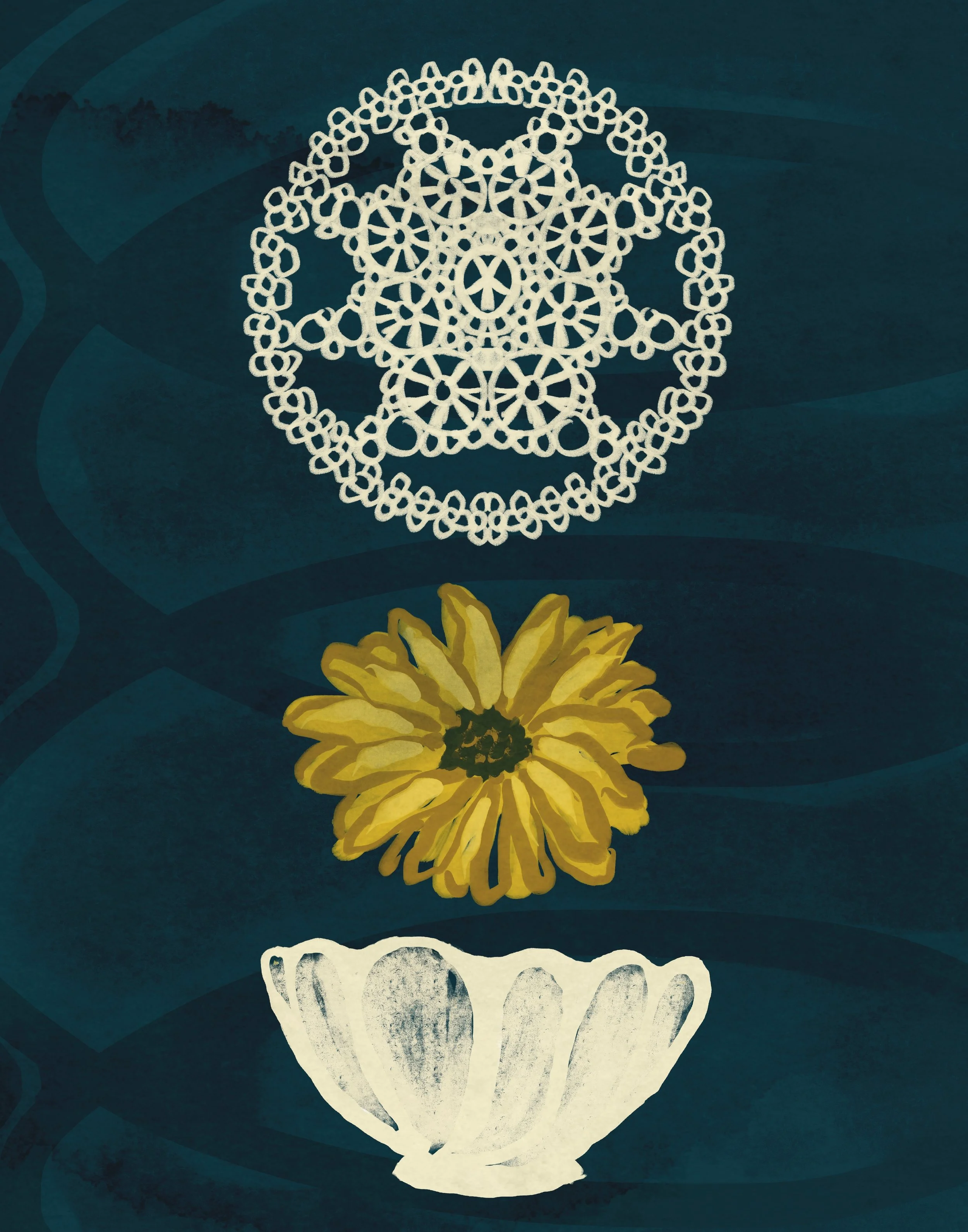
The workshop facilitators also invited us to bring in an object of significance in the spirit of sharing culture, one of the anti-racist organizing principles. This part came easier for me. I exuberantly pulled out dozens of objects to choose from: this recipe or that one? Shuffling through dozens of photos, Perry Como records, handmade lace doilies, a milkglass bowl from the old country, and do I bring in a lasagna? First and second generation Italian Americans have no shortage of cultural heirlooms.
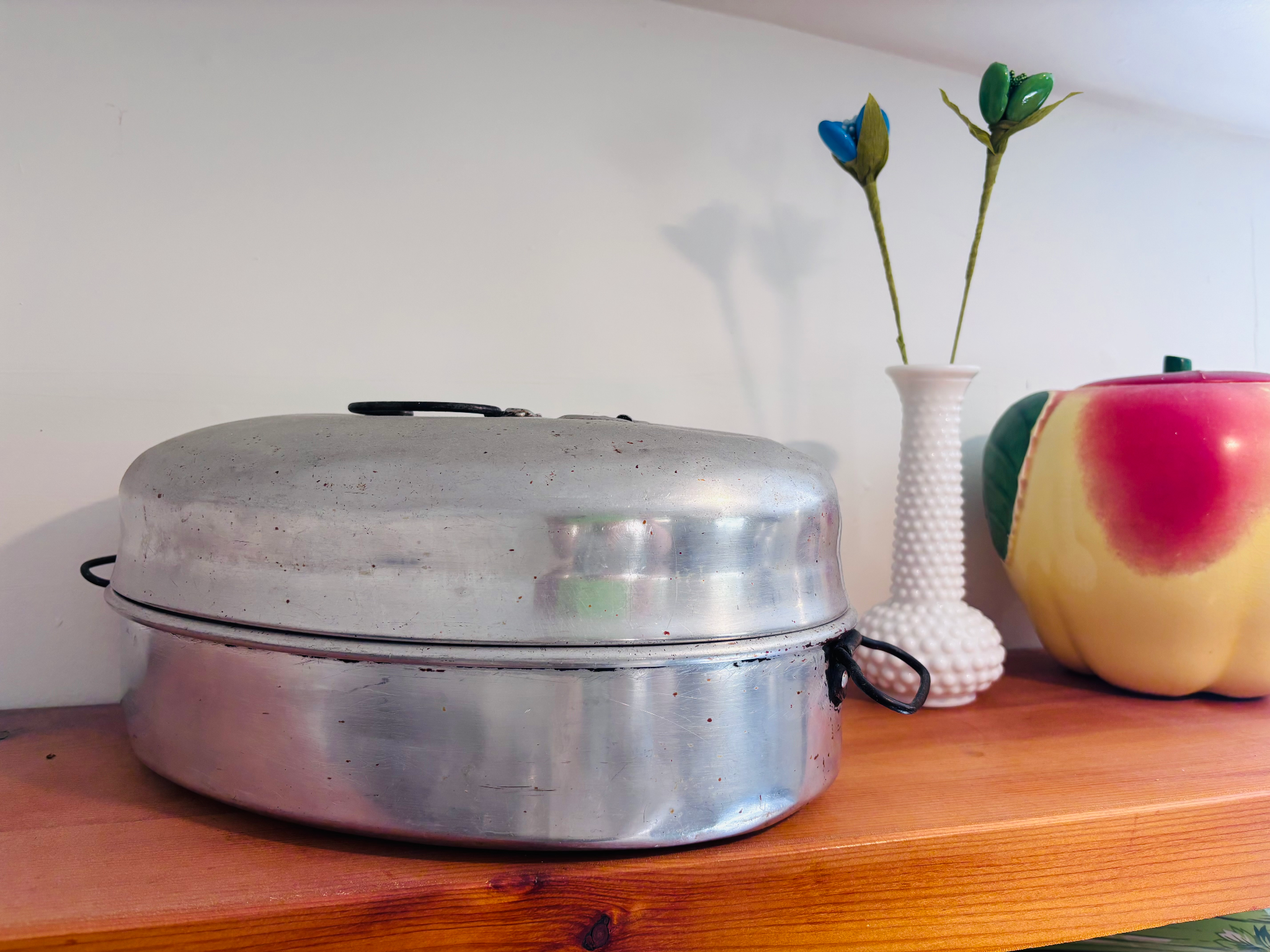
The Undoing Racism workshop was just my first go at connecting to and rooting in my Italianness. In the following years, my family on both sides of the political aisle unanimously came to my aid as I did research on traditions, history and family trees. With very little convincing of aunts and cousins, I was gifted objects, framed photos and albums, and my grandmother’s kitchen tools – the greatest of which is her chicken roasting pan that I now proudly display in my home.
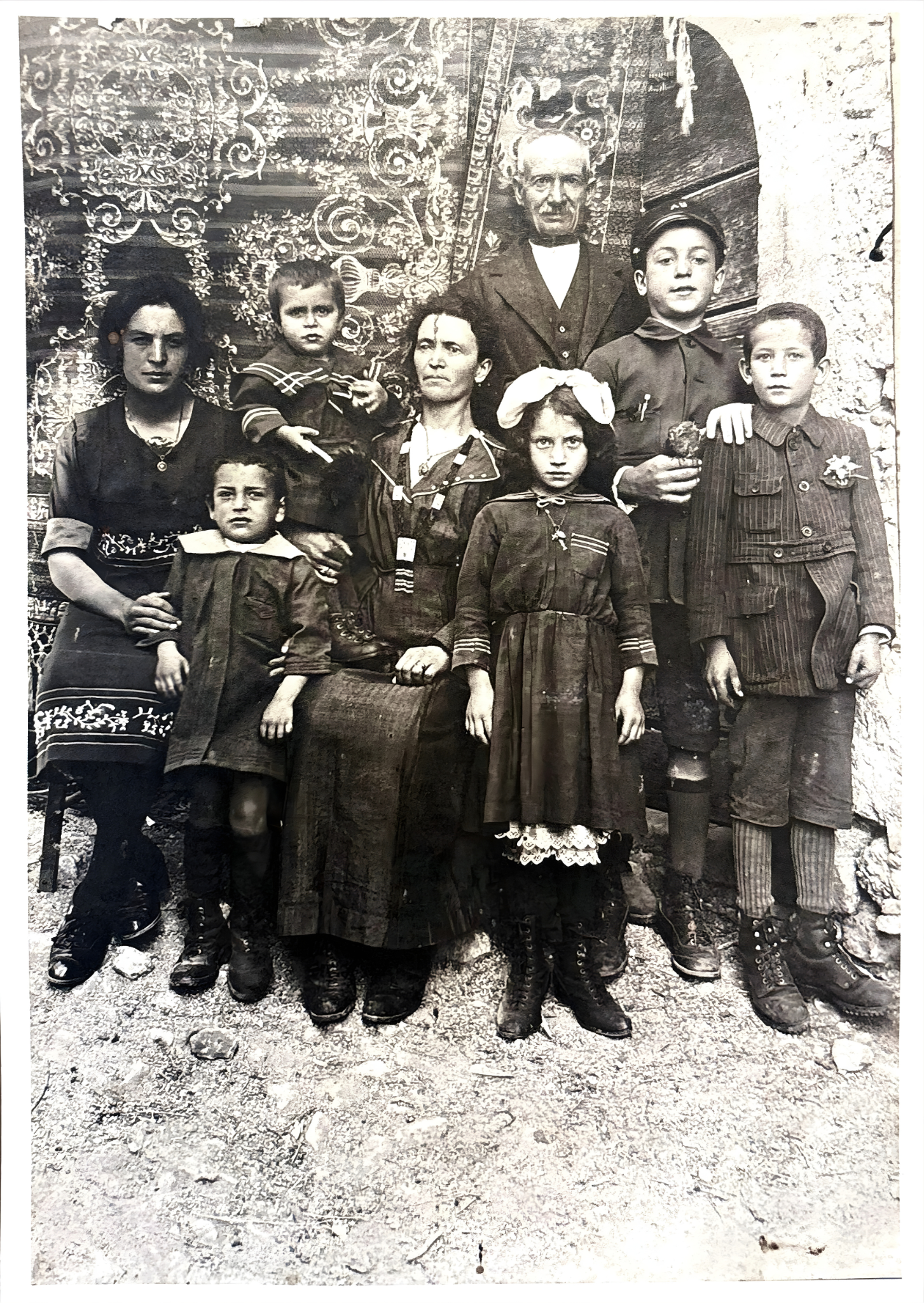
I connected with more and more relatives in my search for our history. I learned that my grandfather traveled to the U.S. a number of times to work before finally immigrating through Ellis Island at age 24. He arrived without papers and with a new wife via arranged marriage – my 14 year old grandmother. They settled in New York and had seven children, one of whom died as a baby. I came across a ghostly black and white photo from 1924 before my grandmother immigrated. It documents my grandmother staring straight at the camera in the center, alongside her siblings, her parents and her aunt outdoors in Secinaro.
The people in this photo and my inherited Italian identity rooted me in a deep sense of persistence, which I leveraged to build a career doing anti-racist work across the country for the past 25 years, becoming a co-founder of Equity & Results ten years ago. We use anti-racist praxis to build community-specific strategies that address local root causes of inequity.
The clearer and more effective we’ve gotten in supporting communities to redesign their public systems and make a difference, the stronger and more brutal the opposition has become. Eventually, it felt like we could not keep up. A tidal wave of violent white supremacist policies and leadership forced me to reckon with my idealistic incrementalism. I needed to go back to the drawing board to understand what I was missing.
Where had I failed to self implicate?
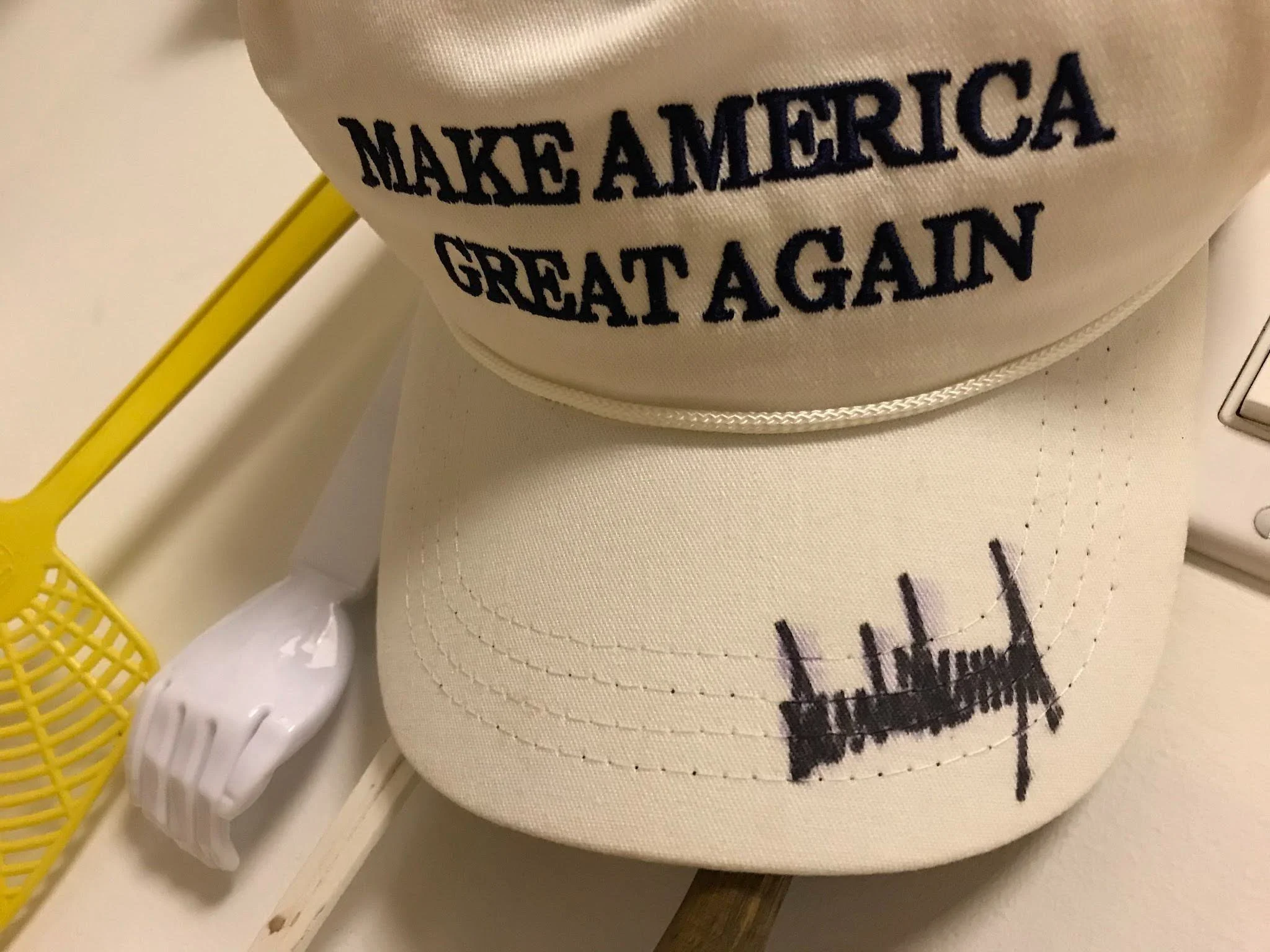
Italian Americans are central players in the shift toward US fascism, through the “paesanos of shame” like Ron Desantis, Italian Americans’ conservative voting patterns even in liberal bastions like NYC, and the signed MAGA hat that was displayed proudly at my Aunt Ida’s house – eerily like my grandmother’s pan on a display shelf in my own home. The Italian American fantasy of becoming white finds amnesiac comfort in the “Make America Great Again” use of nostalgia.
My relatives hang on to both their Italianness and their whiteness with a death grip as I attempt to use the same tool of cultural connection to undo racism. The questions roll around in my head: Am I trying to give up my whiteness, perform an ablution, by becoming more Italian? Am I unintentionally walking the same path as the “paesanos of shame,” hoping for different results? How can I choose the parts of Italian Americanness that I wish to avow while not strengthening the parts that uphold white supremacy? How can I lean on the strength and complexity of my lineage without getting caught up in the nostalgia of being Italian and reinforcing romantic ideals of our history?
With the most recent rise of technofascism, my life’s work is on the precipice of becoming illegal, and most critically, Black people, people of color, trans people, immigrants and Palestinian lives are threatened. My health has begun failing. Ulcers and chronic pain symptoms that my mom experienced in her 70s are beginning in my 40s, my intergenerational legacy. The investigation of my bodily pain is yet another layer of my work on whiteness, and once again, the paradoxical antidote returned me to my roots and questions about how my ancestors survived. I’ve delved into Abruzzese pagan medicinal witchcraft practices and histories of struggle.
This heightened authoritarianism and health crisis put me in close touch with a part of whiteness that I had not dealt with: my fear of death. I had cut myself off from grief and mourning in the same pattern as my mother and grandmother had – as a survival mechanism. A component of white internalized racial superiority is to leave complexity behind, trading it in for individuality and the fantasy of “safety” that whiteness promises.
As James Baldwin wrote, “white Americans do not believe in death,” but rather live in an illusion of immortality. If I was going to heal the intergenerational trauma in my body and continue to do anti-racist work, I would have to rebuild the connection to the whole organism of Italian Americanness that produces the “paesanos of shame.” While it’s painful to discover that I’m not in a linear progress narrative, it’s equally a relief that I will spend my life returning to these questions and cycles with new understanding. As Naomi Klein beautifully wrote:
Perhaps this is why I was sure I was in a spiral: despite the persistence of the image of history repeating on a loop (is Trump Hitler? Is Palestine Algeria?), time doesn’t move that way. It doesn’t merely circle, it spirals, returning to places that feel familiar but are fundamentally different, having accumulated all the weight of what came before. In a downward spiral, every go-round moves to a different, tighter, more perilous place. This is the spiral of the tornado. The hurricane. The whirlpool. But the interesting thing about spirals is that if they switch directions, they don’t tighten – they broaden, opening like sunflowers, like seashells, like galaxies.
The sweetness of Italy still draws me near – it is necessary, but not sufficient. Right next to Secinaro is the Sirente meteoric crater, an otherworldly remnant next to such a tiny ancient town. It’s a reminder that rather than getting stuck in parochial nostalgia, we can use the specificity of our lineage to create space for our ancestral pain and the grief of who we have become. It is in the refusal to separate from one another that we infinitely expand and transform.
~~~
Dedicated to the Palestinian people who continuously model humanity while enduring genocide, Anti-Zionist Jewish Americans who bear witness to their Zionist brethren and persist with their fierce and wholehearted love; Sandy, Lora, Ida, Colomba; gratitude to Kerry Downey and Naomi Klein.
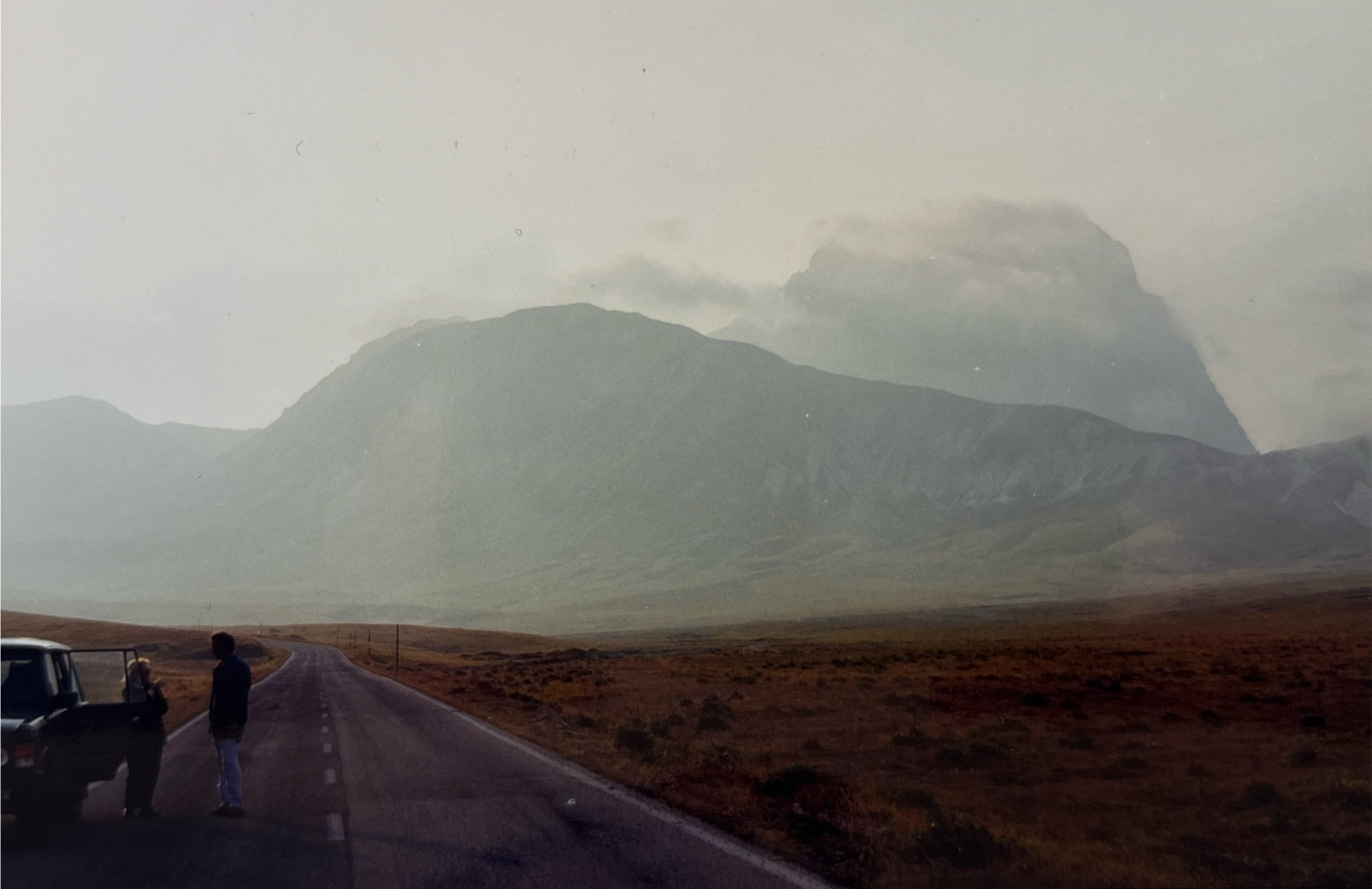
Sirente meteoric crater